The Base of SEO in 2027: What Actually Still Works
AI overviews and zero-click search are changing what ranking means. Here's the technical and content foundation that will still matter in 2027.
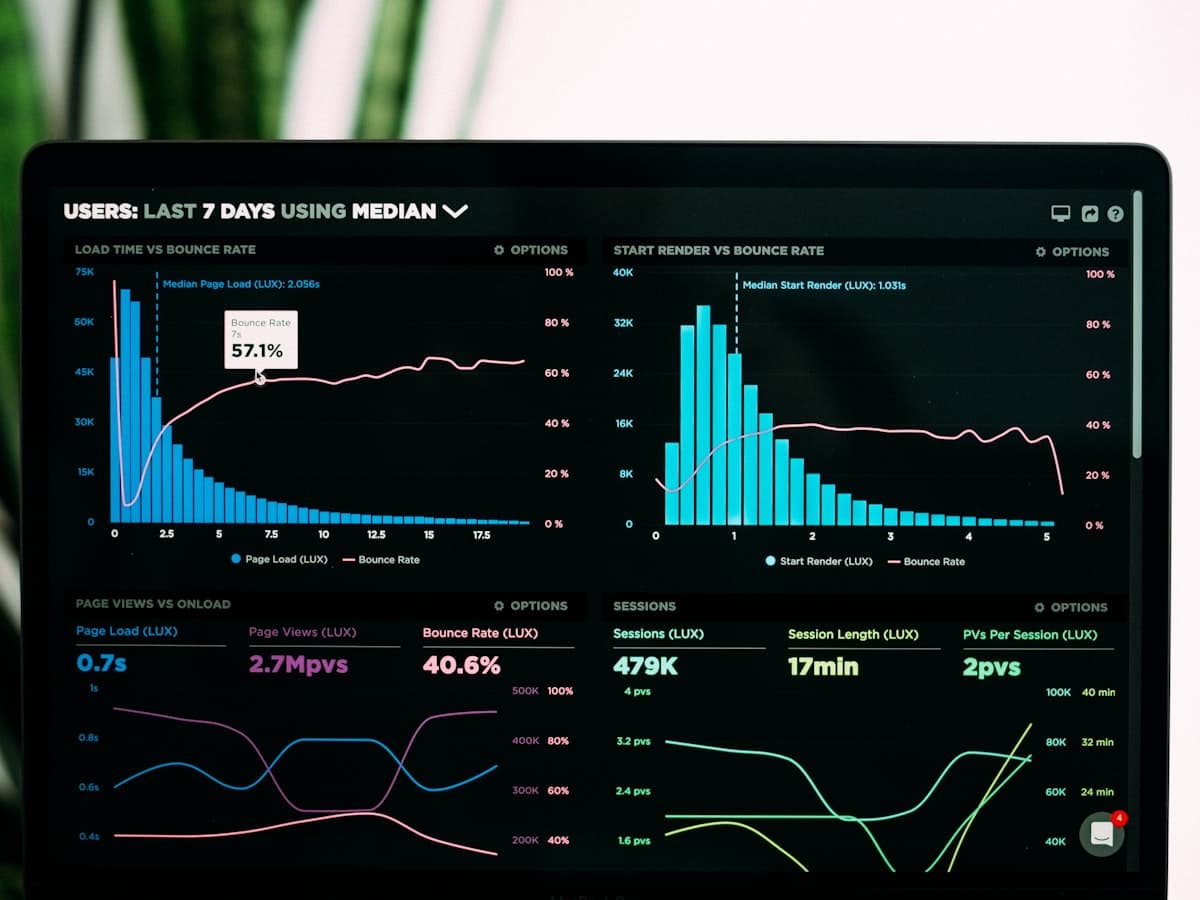
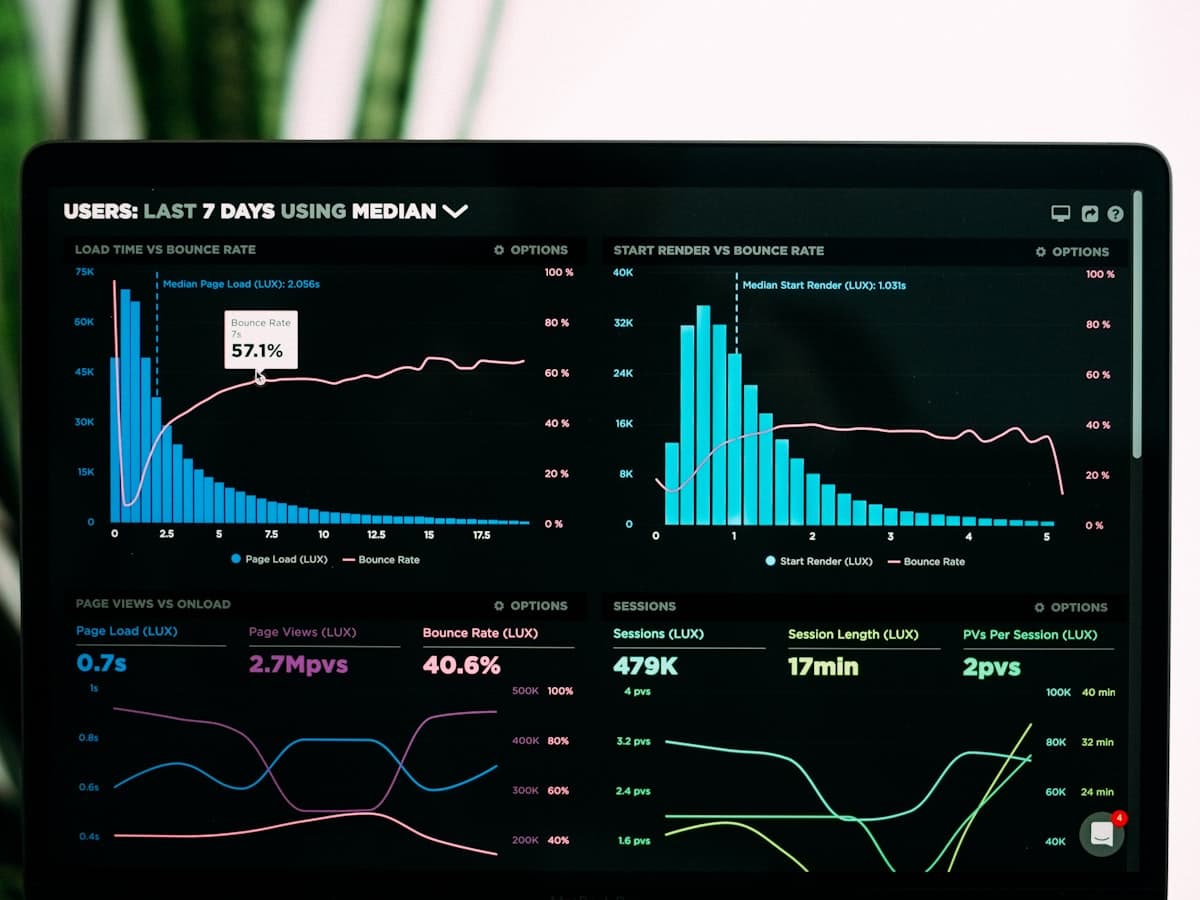
A retailer planning next year's marketing budget looks at their analytics and notices something uncomfortable: organic clicks are down even though rankings look fine. Search results now lead with AI-generated summaries, featured snippets, and shopping carousels before a single blue link appears. Whoever is building a website or a content strategy right now has to decide what's worth investing in when the results page itself keeps changing shape.
Why keyword-stuffed pages are losing ground
Pages built around matching a search phrase, padded with repeated variations of a keyword, are exactly the content AI overviews are trained to summarize and skip past. Google's systems (and Bing's, and the AI assistants pulling from both) reward content that answers a question completely in one place, with clear structure — not content optimized for a single query string. Sites still running on keyword density as a strategy are optimizing for a ranking signal that stopped being decisive years ago.
Technical debt shows up as invisible pages
Slow load times, missing structured data, and inconsistent internal linking don't just hurt user experience — they make it harder for crawlers and AI extraction systems to parse a page's meaning at all. A page that a human reader understands fine can still be effectively invisible to the systems now doing the summarizing.
What's at stake if this gets ignored
Zero-click search isn't a future risk, it's already the default for a large share of informational queries. A site that keeps producing keyword-first content while ignoring page speed, schema, and topical depth will keep losing the visibility battle to competitors whose pages get pulled into AI answers and featured snippets — and every dollar spent on that content becomes dollars spent on traffic that arrives increasingly rarely.
The technical foundation that still decides rankings
Fast, well-structured pages are the baseline, not a bonus. Clean semantic HTML, proper heading hierarchy, structured data (schema.org markup for products, articles, FAQs), and Core Web Vitals scores in the green all directly affect whether a page gets crawled, understood, and surfaced — by traditional search or an AI answer engine. This is infrastructure work: it's the same discipline that goes into building a production-ready site from the start, not a plugin bolted on afterward.
Content built to be understood by machines and trusted by people
Depth and clarity beat volume. A single page that fully answers a topic, written by someone with demonstrable expertise, with clear sourcing and a logical structure, gets pulled into AI summaries and ranks on its own merit. That means fewer, better pages — organized around real topics, not keyword variants — supported by a site architecture that makes the relationship between pages obvious to both readers and crawlers.
Frequently Asked Questions
The bottom line
SEO in 2027 isn't a different discipline — it's the same one with less tolerance for shortcuts. Fast, well-structured, genuinely useful pages get crawled, cited, and ranked regardless of how the results page is formatted. Keyword tricks and thin content are the things losing ground, not organic search itself.